

TWITTER SPACES & TWEETORIALS: A FOCUS ON DIABETES & CKD DISPARITIES
EDAN, in partnership with Med-IQ, developed educational programming focused on the management of type 2 diabetes (T2D) and chronic kidney disease (CKD) for healthcare professionals caring for individuals with these conditions.
This series is available on X in the form of two Tweetorials and one Twitter Spaces discussion. These programs bring together multidisciplinary faculty to discuss evidence-based management approaches for two individuals with T2D and CKD, aligned with recently updated clinical practice guidelines.
Meet 2 patients : Celia and Kevin. Expert faculty review the care considerations and management strategies for Celia and Kevin—two individuals living with T2D and CKD—highlighting practical application of guideline-directed therapy in real-world clinical settings.
You can see Celia’s and Kevin’s cases on X to follow along.
This activity was supported by an educational grant from Coverys Community Healthcare Foundation, Inc.

A Focus on Diabetes-Related CKD
Persistent gaps in diabetes outcomes highlight the need to strengthen how care is delivered.
People living with diabetes in rural and medically underserved communities often face limited access to specialty expertise—particularly for high-risk comorbidities such as chronic kidney disease (CKD).
Primary care professionals (PCPs) play a central role in managing complex diabetes, especially in communities where specialty care may not be readily available. Many individuals requiring advanced diabetes management receive care in primary care settings rather than specialty clinics.
This initiative was designed to strengthen the capacity of PCPs to screen, diagnose, and manage diabetes-related kidney disease using the Project ECHO® (Extension for Community Healthcare Outcomes) model. Through structured, case-based learning and specialist mentorship, participating clinicians increased their confidence and applied guideline-directed therapy in real-world practice.
Each of the four sessions incorporated the ABCDES framework for improving diabetes care: Access, Beyond A1C, Confidence, Delivery, Education, and Systems.
Our multidisciplinary hub team—comprised of experts from eight academic institutions and a national diabetes advocacy organization—provided foundational education, real-time case consultation, and practical strategies to address clinical and systems-level challenges affecting rural and medically underserved communities.
Thank you for being a champion for people with diabetes!
This activity was supported by an educational grant from Bayer HealthCare Pharmaceuticals.
SESSIONS
-
Approaches to Identifying CKD & the New Kidney Health Evaluation
Katherine R. Tuttle, MD, FASN, FACP, FNKF
At the end of this session, participants should be able to:
• Describe the new 2-test HEDIS® Kidney Health Evaluation for Patients With Diabetes (KED) screening and the need for the measure
• Increase evidence-based screening in underserved populations to address disparities in care and prevent diabetes complications
• Prepare to improve patient care by using the new HEDIS® Kidney Health Evaluation for Patients With Diabetes (KED) measure to address gaps in screening
Downloads:
> Handouts
> Case Recommendations -
Looking Beyond Glucose Control: Best Practices to Address Diabetes-Related CKD
Robert Gabbay, MD, PhD, FACP
At the end of this session, participants should be able to:
• Use the American Diabetes Association’s guidelines to identify evidence-based treatment for patients with type 2 diabetes regardless of HbA1C level
• Identify appropriate pharmacotherapy for patients with type 2 diabetes based on indicators for those who are at high risk of or who have atherosclerotic cardiovascular disease, CKD, or heart failure
• Prepare to use SGLT2 inhibitors to reduce CKD progression in patients with type 2 diabetes, independent of glycemic control
Downloads:
> Handouts
> Case Recommendations -
Addressing CKD Disparities and Social Determinants of Health to Achieve Diabetes Management Goals
Crystal Gadegbeku, MD, FASN
George Thomas, MDAt the end of this session, participants should be able to:
• Identify the disproportionate prevalence of CKD in different racial and ethnic populations
• Assess how racial, gender, and socioeconomic factors affect patient access to evidence-based treatment options
• Strategize ways to address biases that may lead to prescribing disparities in your practice
• Optimize hypertension and CKD prevention/management in your patients with type 2 diabetes
Downloads:
> Handouts
> Case Recommendations -
Halting CKD Progression: From Optimizing Hypertension Management to Newer Agents
Joseph Vassalotti, MD
At the end of this session, participants should be able to:
• Enhance hypertension detection and management in your patients with type 2 diabetes
• Describe the role of SGLT2 inhibitors in minimizing CKD progression in patients with type 2 diabetes
• Use the latest clinical evidence regarding the use of nonsteroidal mineralocorticoid receptor antagonists for treating patients with hypertension and type 2 diabetes
Downloads:
> Handouts
> Case Recommendations
Hub Faculty

Nayan Arora, MD - Hub Faculty
Nephrologist
Clinical Assistant Professor, Medicine, Division of Nephrology, University of Washington, Seattle, WA

Matthew Bouchonville, MD, CDCES - Hub Faculty
Endocrinologist
Associate Professor, Department of Medicine, University of New Mexico, School of Medicine, Medical Director UNM Diabetes Comprehensive Care Center, UNM Center for Diabetes and Nutrition Education, Albuquerque, NM

Kelly Close, MBA - Hub Faculty
Patient Advocate
Founder, diaTribe Foundation, San Francisco, CA

Nicolas Cuttriss, MD, MPH, FAAP - Hub Faculty
Pediatric Endocrinologist
Founding Director & CEO, ECHO Diabetes Action Network, Washington, DC

Phyllisa Deroze, PhD - Hub Faculty
Patient Advocate
Director of Research, The Diabetes Research Company, Pompano Beach, FL

Korey Hood, PhD - Hub Faculty
Psychologist
Professor of Pediatrics, Psychiatry and Behavioral Sciences, Staff Psychologist, Stanford University School of Medicine, Palo Alto, CA
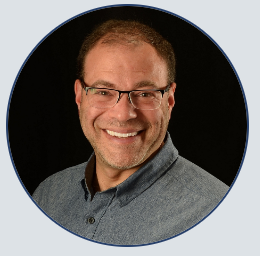
Sean Oser, MD, MPH - Hub Faculty
Primary Care Physician
Associate Professor, Family Medicine, University of Colorado School of Medicine, Denver, CO

Daniel Saltman, MD, FACP - Hub Faculty
Internal Medicine Physician
Associate Clinical Professor, Department of Medicine, University of Hawaii John A. Burns School of Medicine, Honolulu, HI

Jay H. Shubrook, DO - Hub Faculty
Primary Care Physician
Professor, Touro University California, Vacaville, CA

Lisa Taylor, DNP, FNP-BC, BC-ADM, CDCES - Hub Faculty
Nurse Practitioner
Assistant Clinical Professor, University of New Mexico, Albuquerque, NM

Julie Valdes, PharmD, CDCES, CTTS - Hub Faculty
Pharmacist
Zufall Health Center, Dover, NJ
Presenting Faculty

Robert Gabbay, MD, PhD, FACP - Presenting Faculty
Endocrinologist
Chief Science & Medical Officer, American Diabetes Association, Arlington, VA

Crystal Gadegbeku, MD, FASN - Presenting Faculty
Nephrologist
Chair of Nephrology, Glickman Urological and Kidney Institute, Cleveland Clinic, Cleveland, OH, American Society of Nephrology Councilor

George Thomas, MD - Presenting Faculty
Nephrologist
Glickman Urological and Kidney Institute, Cleveland Clinic, Cleveland, OH

Katherine R. Tuttle, MD, FASN, FACP, FNKF - Presenting Faculty
Nephrologist & Endocrinologist
Executive Director for Research, Providence Health Care, Professor of Medicine, Division of Nephrology Co-Principal Investigator, Institute of Translational Health Sciences, Spokane, WA

Joseph Vassalotti, MD - Presenting Faculty
Nephrologist
Clinical Professor of Medicine, Icahn School of Medicine at Mount Sinai, Chief Medical Officer, National Kidney Foundation, New York, NY